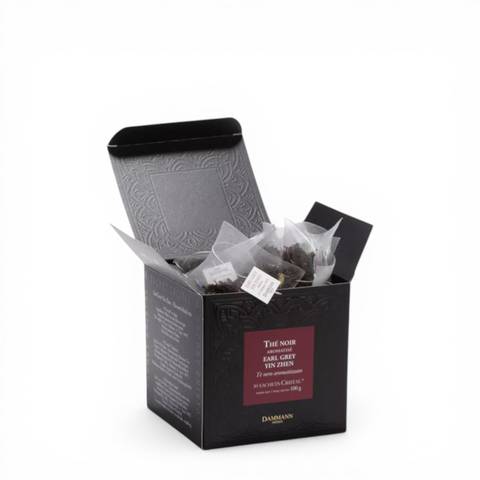
Dammann Frères Earl Grey Yin Zhen Tea Bags
Where Silk Meets Bergamot
PHP 1,409.00


PHP 1,409.00
Delivery date confirmed at checkout
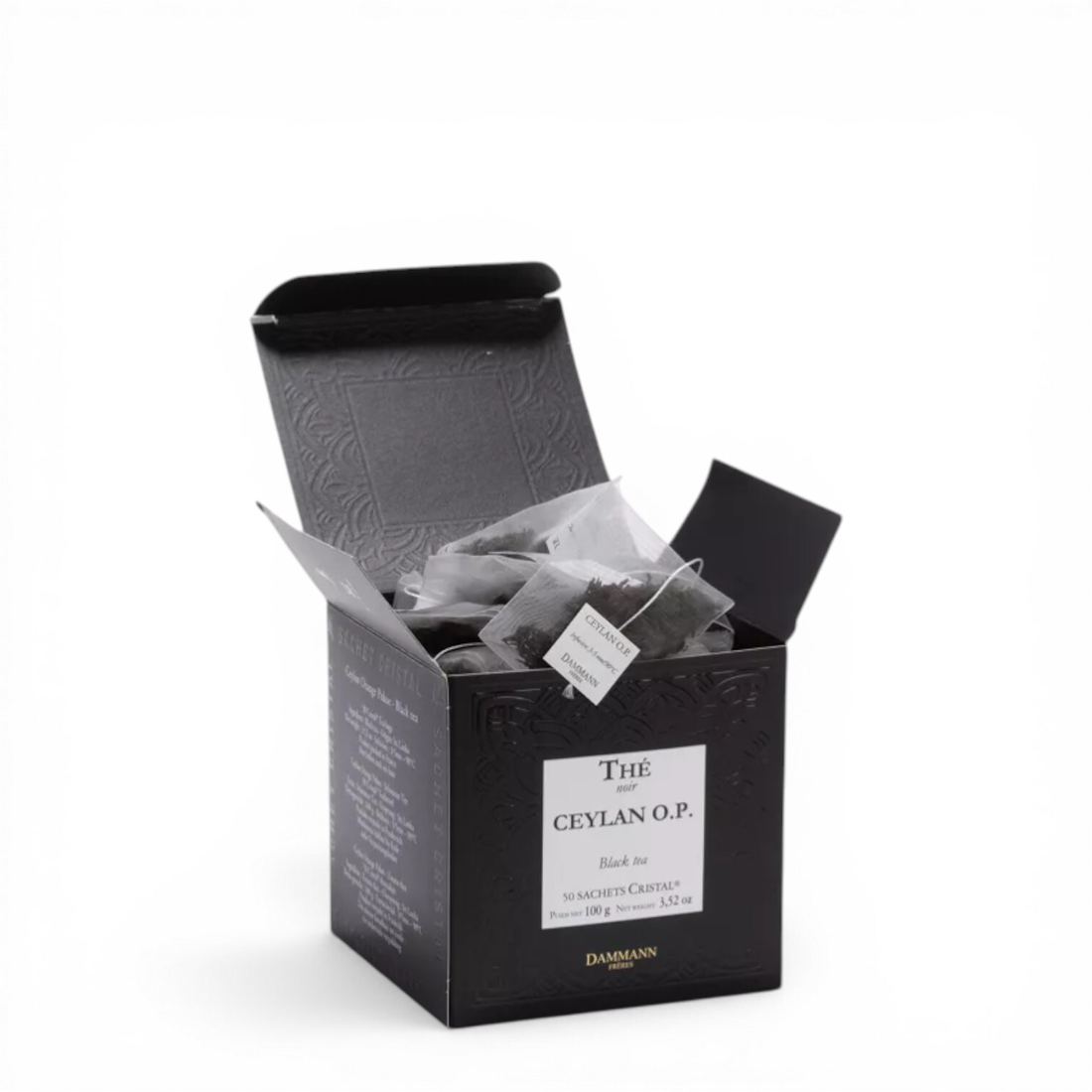
50 Cristal® Sachets — 100g
Most popularPHP 1,409.00 each
You’re PHP 3,000.00 away from free delivery in Metro Manila
Ceylon tea represents perhaps the most honest conversation between leaf and water—a black tea so fundamentally sound in its origins that it requires no elaboration, no flavor additions, no justification.
Temperature-Controlled Delivery
Satisfaction Guarantee
Same-Day Dispatch Before 4PM
Ceylon tea represents perhaps the most honest conversation between leaf and water—a black tea so fundamentally sound in its origins that it requires no elaboration, no flavor additions, no justification.
PHP 1,409.00
Delivery date confirmed at checkout
50 Cristal® Sachets — 100g
Most popularPHP 1,409.00 each
You’re PHP 3,000.00 away from free delivery in Metro Manila
Temperature-Controlled Delivery
Satisfaction Guarantee
Same-Day Dispatch Before 4PM
To understand Ceylon tea is to understand the geography of flavor. Unlike Assams, which announce themselves with malt and body, or Darjeelings, which whisper of floral and fruity complexities, Ceylon presents an almost austere clarity—but "austere" is the wrong word, for there is nothing harsh here, nothing unwelcoming. Rather, it is the austerity of architecture, the confidence that comes from understanding exactly what you are and requiring nothing extraneous to prove your worth.
The leaves themselves tell the story. Ceylon's reputation rests on high-altitude cultivation—gardens perched at elevations where the combination of consistent rainfall, cool mountain air, and intense equatorial sunshine creates the ideal conditions for flavor development. The tea plants respond by producing leaves of remarkable structure and character. When you examine the dried leaves in the Cristal® sachet before brewing, you'll notice their darkness, their uniform rolling, their inherent dignity. These are not the dusty fragments of industrial tea production; these are whole leaves that have been carefully processed to preserve their integrity.
As hot water meets the leaves, the infusion deepens to amber almost immediately—a color so clean, so transparent, that you can read through it. This transparency is not accidental; it reflects the tea's fundamental clarity. Ceylon doesn't hide behind murk; it presents itself frankly. What you see is what you experience.
The first sip reveals the woody character that defines quality Ceylon. This is not the harsh woodiness of a poorly handled tea, but rather the elegant woody undertone of forests after rain, of cedar, of subtle structural depth. Some describe this as "warm" rather than woody, and there's truth in that assessment—there's a rounded quality, an almost comforting solidity. High-grown Ceylons in particular develop this character: the cooler mountain air encourages slower leaf growth, which concentrates flavor compounds and creates a more refined cup.
Moving beyond the initial woody impression, the tea reveals secondary flavors that emerge rather than announce themselves. There are hints of cocoa—not the heavy cocoa of Assam, but the lighter notes of single-origin chocolate, the kind found in bars that cost more than your weekly coffee budget. There's a brightness that reads almost citrus-adjacent; the tea seems to contain sunlight itself, distilled into liquid form. Some tea drinkers detect honey-like sweetness; others emphasize the mineral qualities, the sense of drinking something that has absorbed the essence of Sri Lankan soil and altitude.
The palate-feel matters as much as the flavor. Ceylon sits in that elegant position between delicate and substantial. It's not as heavy as Assam—you could drink this throughout the day without exhaustion—but it's significantly more present than the lightest Darjeeling first flushes. The tannin structure provides what wine merchants would call "grip"; there's a pleasant, gentle astringency that prevents the cup from becoming merely sweet or one-dimensional.
What makes the Dammann Frères version particularly successful is their understanding of Ceylon's versatility. This isn't a single-estate microlot; it's a carefully assembled blend that captures the essence of Ceylon terroir while ensuring consistency and reliability. This is Ceylon for people who understand that a great everyday tea might be more valuable than a spectacular occasional indulgence. Drink it with milk, without milk, at breakfast, at lunch, at teatime—the tea adapts gracefully to each context. It's the chameleon of black teas, not in the sense of changing dramatically, but in the sense of fitting seamlessly into whatever setting you place it.
The finish carries a gentle warmth that lingers on the palate—not a heavy aftertaste, but a pleasant continuation of the experience, a sense that the tea is still present in your mouth minutes after you've swallowed. This is the mark of well-processed Ceylon: the flavor compounds stay with you without becoming intrusive.
Ceylon tea's fundamental elegance and versatility make it genuinely food-friendly across multiple contexts:
Traditional Tea Time: Scones with clotted cream and jam, shortbread biscuits, Victoria sponge cake. The tea's bright minerality cuts through richness while its subtle sweetness complements baked goods.
Grilled Cheese Sandwiches: Paired with Ceylon, the cheese becomes more prominent, the tea more present. This pairing has achieved cult status among tea sophisticates for good reason.
Chocolate Desserts: Dark chocolate cakes, chocolate tortes, chocolate truffles. The Ceylon's slight astringency and mineral quality provides the perfect counterpoint to chocolate's sweetness and richness, each element enhancing the other.
Light Proteins: Roasted chicken, grilled or poached fish, particularly salmon. The tea's brightness complements delicate proteins without overwhelming them.
Vegetable-Based Dishes: Vegetable sandwiches, mild curries with vegetables, salads with light vinaigrettes. The tea's mineral quality enhances rather than conflicts.
Fruit Pairings: Fresh berries, citrus fruits, poached pears. The tea's subtle sweetness creates harmony.
Simple Breakfast: Toast, butter, marmalade. Sometimes the simplest pairings reveal a tea's true character most clearly.
Pro tip from experienced drinkers: Try Ceylon with cucumber sandwiches for a refined lunch pairing that English tea culture has understood for generations. The coolness of cucumber with the warmth of Ceylon creates a moment of perfect balance.
The fundamental rule: Ceylon works everywhere you'd want an elegant, clarifying beverage that enhances without dominating the table.
The story of Ceylon tea is inseparable from the geography of empire and the evolution of global trade. For centuries, tea was a Chinese and Indian monopoly, guarded as fiercely as any commodity in human history. But in the nineteenth century, tea cultivation spread to the island of Ceylon—now Sri Lanka—and something remarkable happened. The combination of altitude, altitude-specific microclimates, and consistent equatorial rainfall created conditions that rivaled, and some would argue surpassed, established tea-growing regions.
By the end of the nineteenth century, Ceylon had become one of the world's great tea-producing regions, yet its identity remained distinct. Ceylon tea developed a reputation for its own particular clarity and brightness, a character that reflected its unique geography. Tea merchants throughout Europe recognized Ceylon's singular qualities, and by the early twentieth century, Ceylon had claimed its place among the world's great black teas.
Dammann Frères, already established as custodians of French tea culture following their official supplier role with the Compagnie Générale Transatlantique, understood Ceylon's value immediately. In the emerging French tea market—where the company held more than 500 references by the end of the twentieth century—Ceylon occupied an essential position: the tea for those who wanted something authentic, well-made, and reliable without the elaborate machinery of French flavored and blended specialties.
The company's commitment to Ceylon reflects a broader philosophy. After Jean Jumeau-Lafond's innovation with flavored teas in the 1950s proved that tea culture could evolve and embrace modernity, Dammann Frères might have abandoned their single-origin offerings in favor of elaborate blends. Instead, they maintained and refined their Ceylon offerings, recognizing that the greatest gift a tea merchant can offer is not constant novelty but the privilege of consistently excellent foundational teas.
Today, Dammann Frères' Ceylon represents three centuries of accumulated merchant knowledge: how to source from the finest gardens, how to process without compromising integrity, how to preserve those qualities through storage and distribution, and how to present the result in packaging and format that reflects its value. This is Ceylon as it should be encountered: not as an exotic experiment, but as a daily drink worthy of your morning, your afternoon, your quiet moments of reflection.
Store in a cool, dry location away from direct sunlight, heat, and strong ambient odors. Maintain storage temperature between 15°C and 20°C. Keep the sealed box tightly closed between uses; Ceylon's flavor compounds degrade when exposed to heat, moisture, and light. Properly stored, this tea remains at peak quality for 18-24 months. The Cristal® sachets provide individual protection, but the overall box should remain sealed when not in use. For extended storage beyond two years, consider transferring sealed sachets to an airtight glass container in a cool place.
To understand Ceylon tea is to understand the geography of flavor. Unlike Assams, which announce themselves with malt and body, or Darjeelings, which whisper of floral and fruity complexities, Ceylon presents an almost austere clarity—but "austere" is the wrong word, for there is nothing harsh here, nothing unwelcoming. Rather, it is the austerity of architecture, the confidence that comes from understanding exactly what you are and requiring nothing extraneous to prove your worth.
The leaves themselves tell the story. Ceylon's reputation rests on high-altitude cultivation—gardens perched at elevations where the combination of consistent rainfall, cool mountain air, and intense equatorial sunshine creates the ideal conditions for flavor development. The tea plants respond by producing leaves of remarkable structure and character. When you examine the dried leaves in the Cristal® sachet before brewing, you'll notice their darkness, their uniform rolling, their inherent dignity. These are not the dusty fragments of industrial tea production; these are whole leaves that have been carefully processed to preserve their integrity.
As hot water meets the leaves, the infusion deepens to amber almost immediately—a color so clean, so transparent, that you can read through it. This transparency is not accidental; it reflects the tea's fundamental clarity. Ceylon doesn't hide behind murk; it presents itself frankly. What you see is what you experience.
The first sip reveals the woody character that defines quality Ceylon. This is not the harsh woodiness of a poorly handled tea, but rather the elegant woody undertone of forests after rain, of cedar, of subtle structural depth. Some describe this as "warm" rather than woody, and there's truth in that assessment—there's a rounded quality, an almost comforting solidity. High-grown Ceylons in particular develop this character: the cooler mountain air encourages slower leaf growth, which concentrates flavor compounds and creates a more refined cup.
Moving beyond the initial woody impression, the tea reveals secondary flavors that emerge rather than announce themselves. There are hints of cocoa—not the heavy cocoa of Assam, but the lighter notes of single-origin chocolate, the kind found in bars that cost more than your weekly coffee budget. There's a brightness that reads almost citrus-adjacent; the tea seems to contain sunlight itself, distilled into liquid form. Some tea drinkers detect honey-like sweetness; others emphasize the mineral qualities, the sense of drinking something that has absorbed the essence of Sri Lankan soil and altitude.
The palate-feel matters as much as the flavor. Ceylon sits in that elegant position between delicate and substantial. It's not as heavy as Assam—you could drink this throughout the day without exhaustion—but it's significantly more present than the lightest Darjeeling first flushes. The tannin structure provides what wine merchants would call "grip"; there's a pleasant, gentle astringency that prevents the cup from becoming merely sweet or one-dimensional.
What makes the Dammann Frères version particularly successful is their understanding of Ceylon's versatility. This isn't a single-estate microlot; it's a carefully assembled blend that captures the essence of Ceylon terroir while ensuring consistency and reliability. This is Ceylon for people who understand that a great everyday tea might be more valuable than a spectacular occasional indulgence. Drink it with milk, without milk, at breakfast, at lunch, at teatime—the tea adapts gracefully to each context. It's the chameleon of black teas, not in the sense of changing dramatically, but in the sense of fitting seamlessly into whatever setting you place it.
The finish carries a gentle warmth that lingers on the palate—not a heavy aftertaste, but a pleasant continuation of the experience, a sense that the tea is still present in your mouth minutes after you've swallowed. This is the mark of well-processed Ceylon: the flavor compounds stay with you without becoming intrusive.
Ceylon tea's fundamental elegance and versatility make it genuinely food-friendly across multiple contexts:
Traditional Tea Time: Scones with clotted cream and jam, shortbread biscuits, Victoria sponge cake. The tea's bright minerality cuts through richness while its subtle sweetness complements baked goods.
Grilled Cheese Sandwiches: Paired with Ceylon, the cheese becomes more prominent, the tea more present. This pairing has achieved cult status among tea sophisticates for good reason.
Chocolate Desserts: Dark chocolate cakes, chocolate tortes, chocolate truffles. The Ceylon's slight astringency and mineral quality provides the perfect counterpoint to chocolate's sweetness and richness, each element enhancing the other.
Light Proteins: Roasted chicken, grilled or poached fish, particularly salmon. The tea's brightness complements delicate proteins without overwhelming them.
Vegetable-Based Dishes: Vegetable sandwiches, mild curries with vegetables, salads with light vinaigrettes. The tea's mineral quality enhances rather than conflicts.
Fruit Pairings: Fresh berries, citrus fruits, poached pears. The tea's subtle sweetness creates harmony.
Simple Breakfast: Toast, butter, marmalade. Sometimes the simplest pairings reveal a tea's true character most clearly.
Pro tip from experienced drinkers: Try Ceylon with cucumber sandwiches for a refined lunch pairing that English tea culture has understood for generations. The coolness of cucumber with the warmth of Ceylon creates a moment of perfect balance.
The fundamental rule: Ceylon works everywhere you'd want an elegant, clarifying beverage that enhances without dominating the table.
The story of Ceylon tea is inseparable from the geography of empire and the evolution of global trade. For centuries, tea was a Chinese and Indian monopoly, guarded as fiercely as any commodity in human history. But in the nineteenth century, tea cultivation spread to the island of Ceylon—now Sri Lanka—and something remarkable happened. The combination of altitude, altitude-specific microclimates, and consistent equatorial rainfall created conditions that rivaled, and some would argue surpassed, established tea-growing regions.
By the end of the nineteenth century, Ceylon had become one of the world's great tea-producing regions, yet its identity remained distinct. Ceylon tea developed a reputation for its own particular clarity and brightness, a character that reflected its unique geography. Tea merchants throughout Europe recognized Ceylon's singular qualities, and by the early twentieth century, Ceylon had claimed its place among the world's great black teas.
Dammann Frères, already established as custodians of French tea culture following their official supplier role with the Compagnie Générale Transatlantique, understood Ceylon's value immediately. In the emerging French tea market—where the company held more than 500 references by the end of the twentieth century—Ceylon occupied an essential position: the tea for those who wanted something authentic, well-made, and reliable without the elaborate machinery of French flavored and blended specialties.
The company's commitment to Ceylon reflects a broader philosophy. After Jean Jumeau-Lafond's innovation with flavored teas in the 1950s proved that tea culture could evolve and embrace modernity, Dammann Frères might have abandoned their single-origin offerings in favor of elaborate blends. Instead, they maintained and refined their Ceylon offerings, recognizing that the greatest gift a tea merchant can offer is not constant novelty but the privilege of consistently excellent foundational teas.
Today, Dammann Frères' Ceylon represents three centuries of accumulated merchant knowledge: how to source from the finest gardens, how to process without compromising integrity, how to preserve those qualities through storage and distribution, and how to present the result in packaging and format that reflects its value. This is Ceylon as it should be encountered: not as an exotic experiment, but as a daily drink worthy of your morning, your afternoon, your quiet moments of reflection.
Store in a cool, dry location away from direct sunlight, heat, and strong ambient odors. Maintain storage temperature between 15°C and 20°C. Keep the sealed box tightly closed between uses; Ceylon's flavor compounds degrade when exposed to heat, moisture, and light. Properly stored, this tea remains at peak quality for 18-24 months. The Cristal® sachets provide individual protection, but the overall box should remain sealed when not in use. For extended storage beyond two years, consider transferring sealed sachets to an airtight glass container in a cool place.
Curated Selection